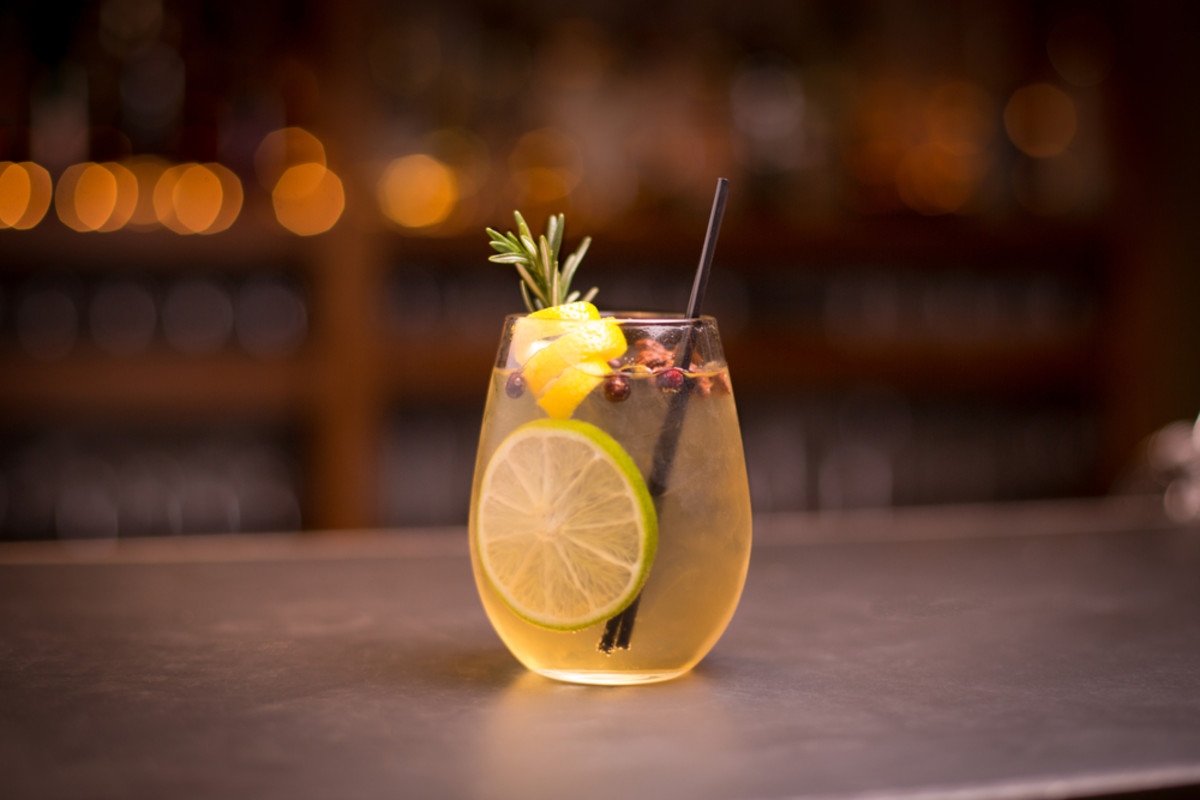
The culinary world, much like a master illusionist, often delights us with experiences that seem to defy logic. Among these enchanting creations, the Unicorn Gin Cocktail stands out as a true spectacle. More than just a whimsical name, this drink captivates with its dramatic color transformation, shifting from a rich purple to a vibrant pink right before your eyes. While it feels like pure magic, there's a fascinating scientific explanation simmering beneath the surface of this delightful summer sip. Understanding the "how" behind this stunning visual trick not only enhances your appreciation for the cocktail but also empowers you to recreate and even innovate with this captivating phenomenon.
The Chromatic Chemistry: Unveiling the Magic Behind the Color Shift
At the heart of the Unicorn Gin Cocktail's enchanting display lies a fundamental principle of chemistry: pH-dependent color change. This isn't a mystical spell but rather a clever application of natural pigments found in specific herbal teas. To truly grasp the magic, we need to understand a few key players:
Understanding pH: The Acidity Scale
- What is pH? pH stands for "potential of hydrogen" and is a scale used to specify the acidity or basicity of an aqueous solution. It ranges from 0 to 14, with 7 being neutral.
- Acids and Bases: Solutions with a pH less than 7 are acidic (like lemon juice), while solutions with a pH greater than 7 are alkaline or basic (like baking soda).
- The Role of Color: Many natural compounds, especially plant pigments, have molecules whose structure changes depending on the surrounding pH. This structural change alters how the molecule absorbs and reflects light, leading to a visible color shift.
Anthocyanins: Nature's Color Changers
The real stars of our show are anthocyanins. These are water-soluble vacuolar pigments that, depending on their pH, may appear red, purple, blue, or black. They are found in the cells of many plants, giving fruits, vegetables, and flowers their vibrant hues. Think of blueberries, blackberries, red cabbage, and most importantly for our cocktail, hibiscus flowers and certain berries.
- Purple Beginnings: When anthocyanins are in a neutral or slightly alkaline environment, they typically present a beautiful blue or purple shade. This is the initial color you see in your Unicorn Gin Cocktail, courtesy of a carefully selected herbal tea.
- The Citrus Catalyst: The moment you introduce an acidic ingredient, like a squeeze of fresh lemon or lime juice, the magic happens. The citrus significantly lowers the pH of the drink. This change in acidity causes a chemical reaction, altering the molecular structure of the anthocyanins.
- Pink Transformation: As the pH drops into the acidic range, the anthocyanin molecules shift, causing them to absorb and reflect light differently. The result? The captivating purple hue transforms into a delightful pink! This dramatic switch is not just visually appealing but also a direct demonstration of the power of pH in action.
Crafting Your Enchanting Elixir: Essential Ingredients & Their Roles
While the science is fascinating, the practical application is delightfully simple. The beauty of the Unicorn Gin Cocktail lies in its straightforward ingredients, each playing a vital role in taste and visual appeal.
The Vital Herbal Tea
This is where the scientific magic begins. Not just any herbal tea will do. You need a tea rich in anthocyanins to achieve the desired color change. The most common and effective choices include:
- Hibiscus Tea: Known for its deep red/purple hue and tart, floral flavor. It's an excellent base for the initial color.
- Butterfly Pea Flower Tea: This is arguably the most dramatic color changer, known for its vivid blue color that shifts to purple and then pink/red with acidity. While the reference context mentions hibiscus, blackberry, and raspberry, butterfly pea flower tea is a classic for this specific effect and worth considering for an even more intense initial blue.
- Blackberry or Raspberry Tea: These fruit teas often contain enough anthocyanins to provide a beautiful purple base that will react to citrus.
The key is to brew a strong, concentrated tea to ensure the color is vibrant enough to undergo a noticeable transformation.
The Crisp Gin Base
Gin provides the clean, botanical, and crisp alcoholic base for the cocktail. While gin itself doesn't contribute to the color change, its clear nature is crucial. Any colored liquid used as a substitute or addition would interfere with the anthocyanin reaction, dulling or preventing the desired color shift. For a non-alcoholic option, simply omit the gin or substitute it with sparkling water or a clear non-alcoholic spirit, ensuring the color-changing effect remains intact.
The Citrus Activator
Freshly squeezed lemon or lime juice is the non-negotiable ingredient for triggering the color transformation. Its high acidity provides the necessary pH drop to turn the drink from purple to pink. The amount you add will influence the final shade of pink and the overall tartness of the cocktail, so you can adjust to your preference.
Balancing Flavors: Simple Syrup and Garnishes
- Simple Syrup: Herbal teas, especially hibiscus, can be quite tart. A touch of simple syrup (equal parts sugar and water, heated until dissolved) balances the tartness of the tea and citrus, creating a perfectly palatable drink.
- Mint Leaves: Beyond their refreshing aroma and taste, mint leaves add a vibrant green contrast to the pink hues, enhancing the visual appeal.
- Decorative Touches: For an extra "wow" factor, consider rimming your glasses with sugar or edible glitter. Decorative ice cubes, perhaps with edible flowers or fruit pieces frozen inside, elevate the presentation, especially for parties.
Mastering the Unicorn Cocktail: Tips for Presentation and Enjoyment
Creating this cocktail is as much about the experience as it is about the taste. To truly impress your guests, consider these practical tips:
The Art of Presentation
- Clear Glassware is Key: To fully appreciate the color transformation, serve your Unicorn Gin Cocktail in clear coupe or martini glasses. The transparency allows the vibrant colors and their shift to be the star of the show.
- Dramatic Reveal: Instead of pre-mixing the citrus, consider serving the cocktail with a lemon wedge on the rim. Encourage your guests to squeeze it themselves, allowing them to witness the mesmerizing color change firsthand. This interactive element makes the experience even more memorable.
- Beyond Basic Ice: Elevate your presentation with unique ice. Think about freezing edible flowers (like pansies or violets) or small berry pieces into large ice cubes. These not only keep your drink chilled but also add an extra layer of visual elegance.
Perfect Pairings and Optimal Enjoyment
- Light Appetizers: This cocktail's light, refreshing, and slightly fruity profile pairs wonderfully with appetizers that won't overpower its delicate flavors. Think cucumber sandwiches, goat cheese crostini, a fresh fruit platter, or light salads. These choices enhance the cocktail's herbal and fruity notes without stealing its spotlight.
- Serve Chilled and Fresh: For maximum magic and flavor, the Unicorn Gin Cocktail is best enjoyed fresh and chilled. The crispness of the gin, the brightness of the citrus, and the vividness of the color are at their peak shortly after preparation.
- Storage Wisdom: If you do have leftovers, store them in a sealed pitcher or bottle in the fridge for up to 24 hours. Be aware that the freshness and any "fizz" (if using sparkling water) might diminish slightly over time. Due to the gin and citrus content, this cocktail does not freeze well, and reheating is not recommended as it will affect both texture and flavor.
Beyond the Glass: The Allure of Edible pH Science
The unicorn gin cocktail is more than just a delicious drink; it's a testament to the beauty of natural chemistry. The principle of pH-dependent color change is something you can observe in other culinary contexts too. Red cabbage indicator solution, for example, is a classic science experiment that demonstrates this exact phenomenon across a spectrum of colors from red (acidic) to green/yellow (basic).
Understanding this science opens up a world of creative possibilities for home mixologists and chefs. You can experiment with different anthocyanin-rich ingredients and varying levels of acidity to create your own visually stunning and scientifically intriguing concoctions. Whether it's a vibrant salad dressing that changes color with a squeeze of lemon or a dessert that shifts hues, the principles remain the same.
Conclusion
The Unicorn Gin Cocktail is truly a magical experience, but its enchantment is rooted firmly in the fascinating science of pH and natural pigments. By understanding the role of anthocyanins in vibrant herbal teas and the catalytic effect of citrus, you can not only appreciate the cocktail's beauty on a deeper level but also confidently craft this show-stopping drink yourself. It’s a perfect blend of delicious flavor, stunning aesthetics, and a captivating scientific demonstration, making it an unforgettable addition to any gathering. So, next time you watch that purple liquid blush into pink, you'll know it's not just magic – it's brilliant chemistry at work.
